Ultimate First-Time Visitor Guide
JainVoyagers Introduction: Welcome to your destination guide — crafted to help you plan smarter, sell better, and travel deeper with JainVoyagers Group.
Ultimate First-Time Visitor Guide to Canada
Built for first-time travellers and travel agents: region selection, season strategy, easy routing, transport choices, budgeting signals, and the “must-do” list that consistently converts.
1) Canada in One Minute
Canada sells best when you design around regions, not “country-wide city hopping”. First-time visitors want iconic nature, safe cities, and simple logistics — and they’re happiest when driving time is realistic.
Who This Guide Fits Best
- First-time international travellers: “What’s the best first route?”
- Families wanting low stress + headline highlights
- Couples wanting scenic stays + culture + premium experiences
- Agents needing a ready framework to upsell (rooms, experiences, add-on cities)
The “Golden Formula”
Example: Rockies (Banff/Jasper) + Vancouver or Calgary.
This delivers the strongest “Canada wow” with the lowest friction.
Base stays improve reviews + reduce itinerary stress.
2) Choose Your Region Like a Pro (First-Time-Friendly)
First-time visitors rarely need “everything”. Use this section as a decision engine: match the traveller’s style (nature/cities/winter) to the region that produces the best first impression with the least complexity.
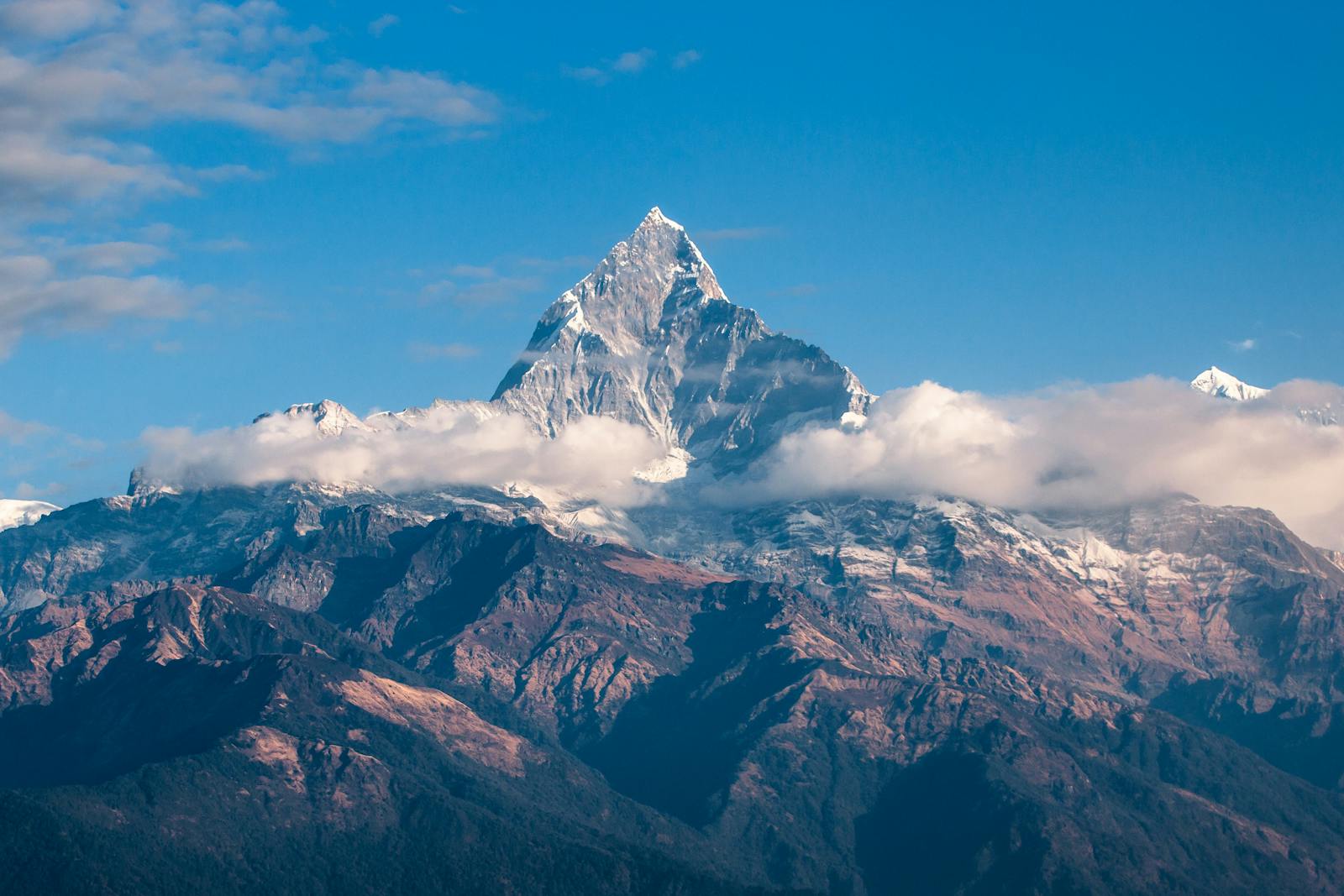
Best for: iconic landscapes, lakes, glaciers, wildlife, scenic drives.
Why first-time: maximum wow-factor per day, easy “base stay” format.
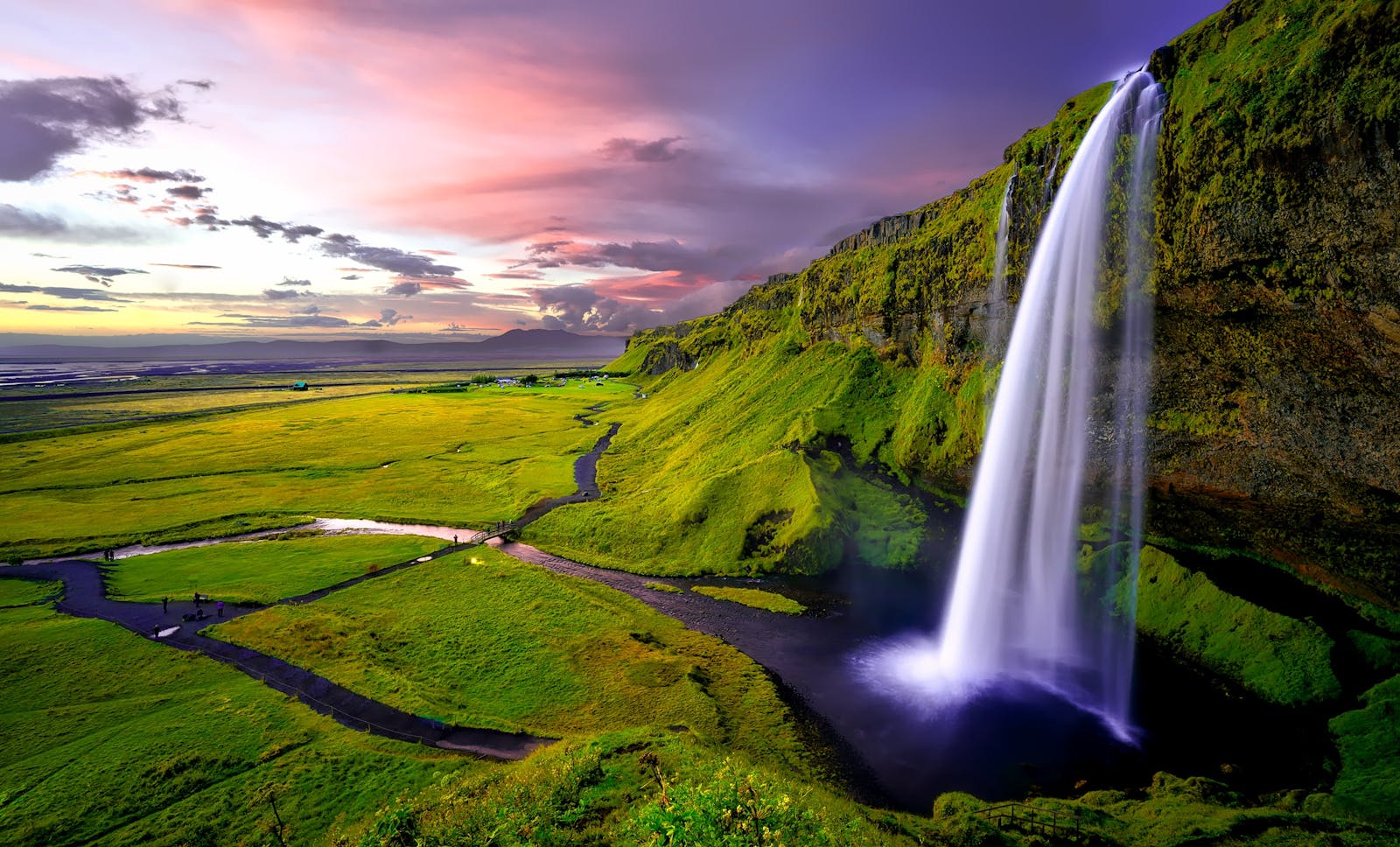
Best for: city comfort + nature, mild weather, day trips (Whistler/Victoria).
Why first-time: easy transport, excellent food scene, low-friction touring.
Best for: relaxed pace, gardens, coastal drives, mild climate.
Why first-time: adds variety without huge distances.

Best for: culture, cuisine, festivals, historic streets.
Why first-time: compact route, easy rail/road travel, strong “Europe in North America” feel.
Best “First Trip” Durations
- 7–9 days: One region (Rockies OR Vancouver/Island OR Toronto/Montréal)
- 12–14 days: One region + one city (Rockies + Vancouver or Toronto + Montréal/Québec)
- 18–21 days: East + West (use flights; keep base stays)
How to Upsell (without overselling)
- Add a premium view stay (mountain-view rooms / waterfront)
- Offer one “hero experience” (gondola / glacier / whale watching)
- Upgrade to private transfers in cities for comfort travellers
- Include 2 slower days (spa, lake strolls, local food tour)
3) When to Go: Season-by-Season (Sell the Right Product)
Season determines what Canada “feels like”. Use this as the client-facing explanation that justifies pricing and planning decisions.
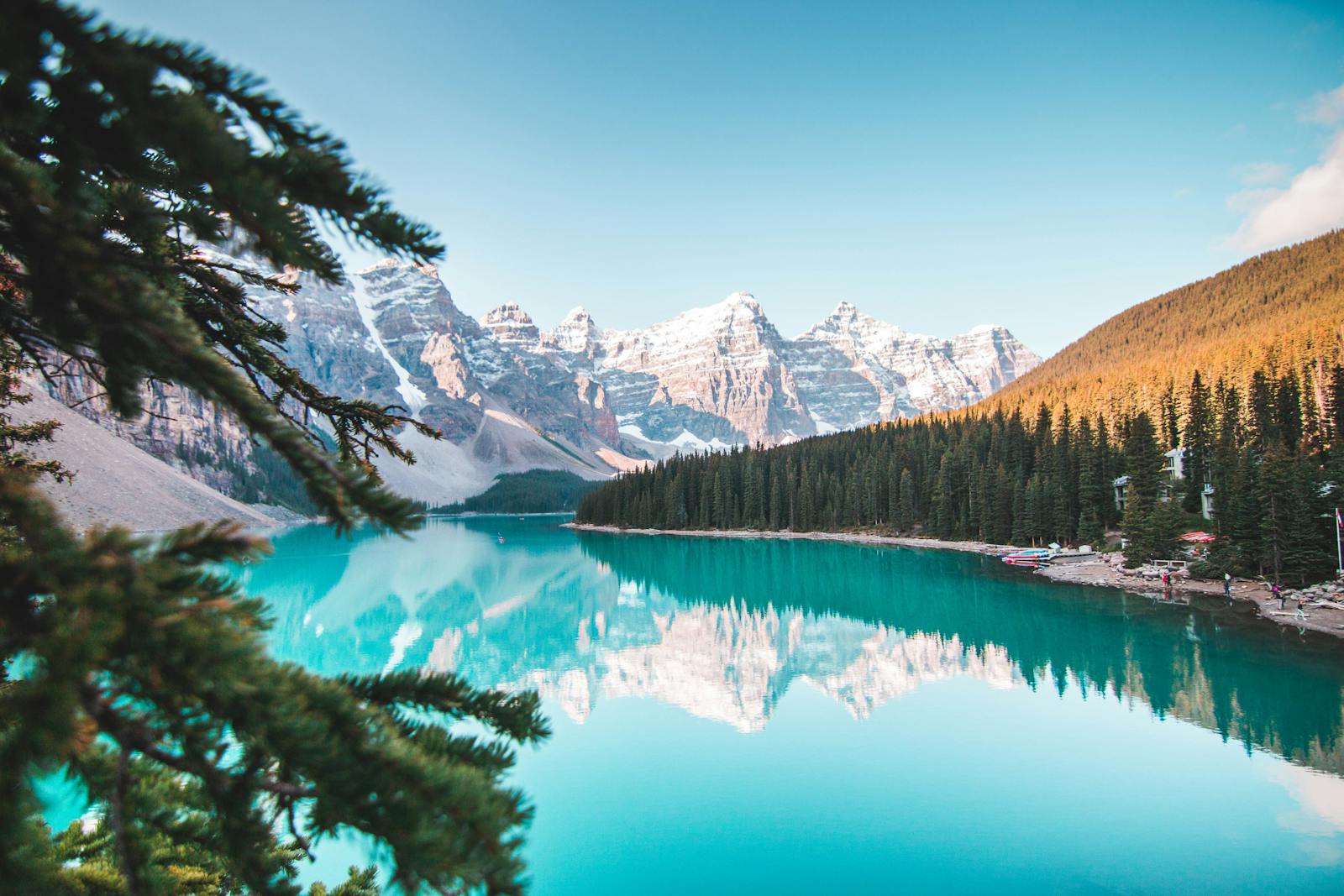
Lakes, hikes, long daylight, road trips. Highest demand in Rockies and coastal cities.
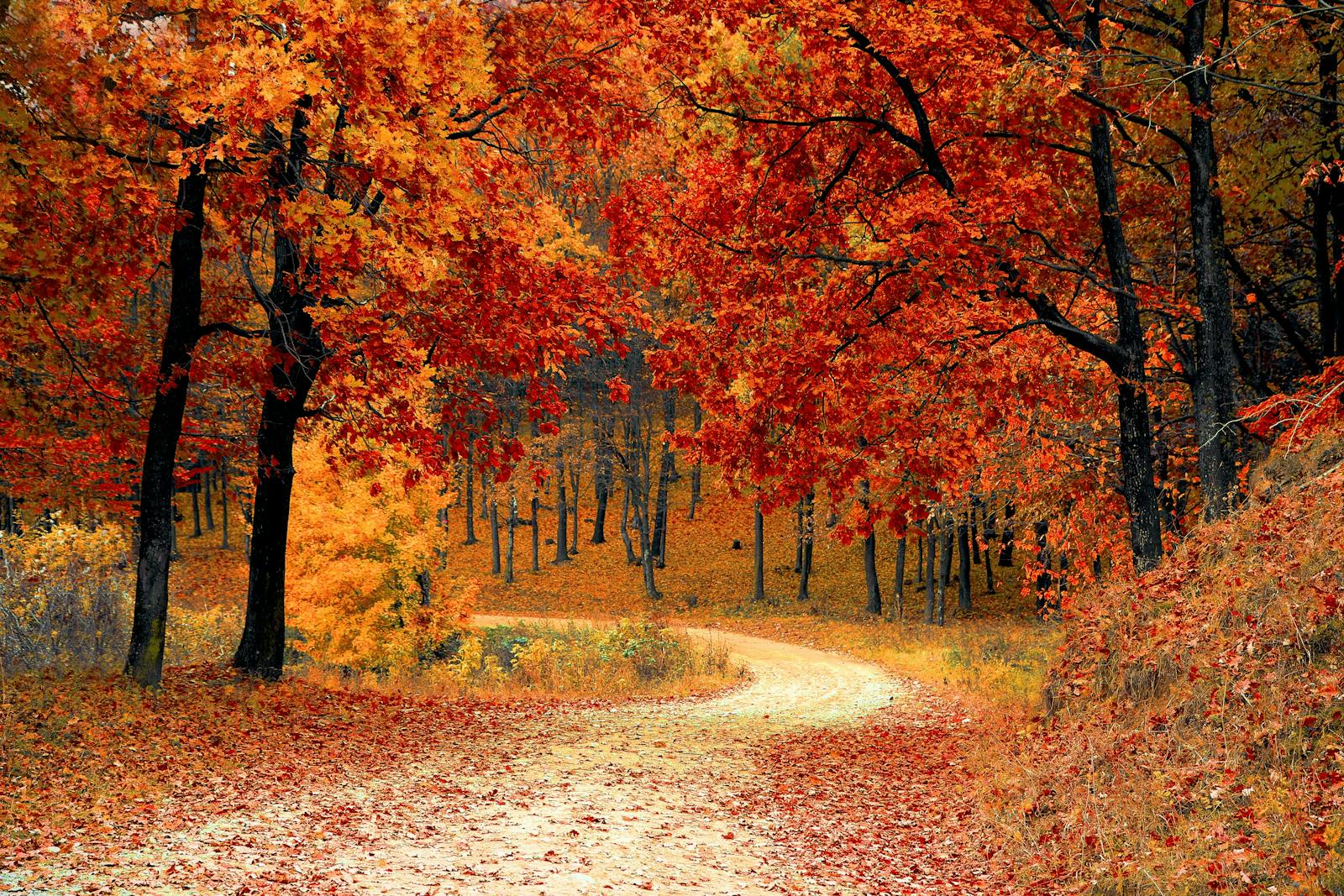
Fewer crowds, great city breaks, photogenic landscapes. Weather can shift quickly.
Cosy stays, winter markets, hot springs, ski culture. Plan shorter driving days.
Great for Vancouver/Toronto deals, late ski. Mountains can be “in-between season”.
Season Matching
- Families: May–Oct (best weather + easier walking days)
- Couples: Jun–Sep for scenery, Dec–Feb for cosy winter romance
- Nature lovers: Jun–Sep for lakes and hiking, Sep for calmer roads
- Budget travellers: Apr–May or Oct (stronger hotel availability)
Peak Season Advice (avoid complaints)
- Reserve popular park access/attractions early
- Choose early start times for viewpoints and day trips
- Stay just outside hotspots for better value (e.g., Canmore)
- Plan “quiet evenings” to balance long touring days
4) Easy First-Time Routes (Pick One & Win)
These are the most reliable, high-satisfaction routes for first-timers. Each is designed for realistic travel times and “base stays”.
Route A: Rockies Icons (7–9 Days)
- Arrive: Calgary → transfer to Banff/Canmore base
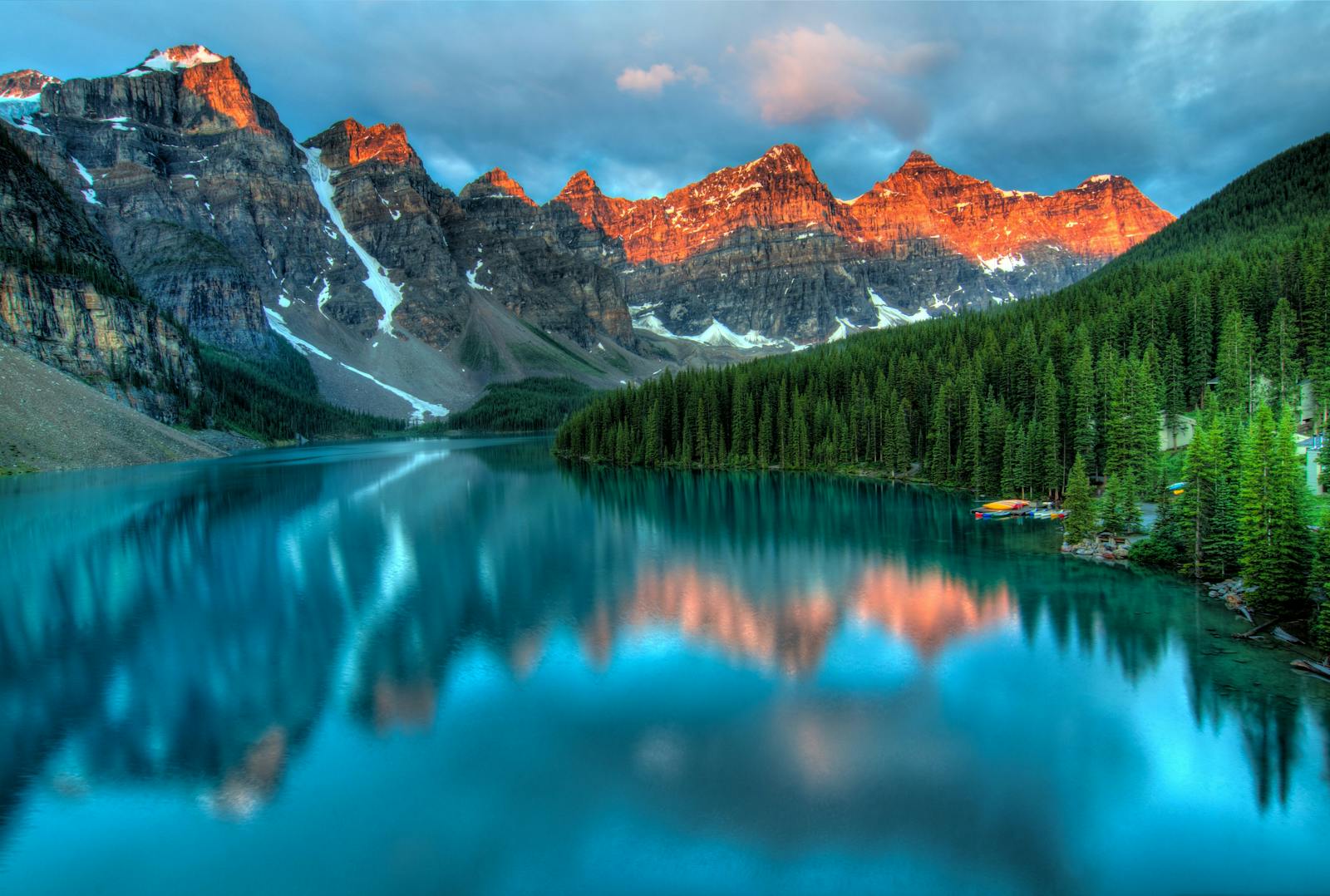
- Hero day: Lake Louise + Moraine Lake viewpoints
- Scenic day: Icefields Parkway (full-day scenic drive)
- Flex day: gondola / hot springs / easy trails
Route B: Vancouver + Whistler (7–10 Days)
- Arrive: Vancouver city base (walkable + transit-friendly)
- Day trip: Sea-to-Sky scenic route to Whistler
- Optional: Victoria (Vancouver Island) 1–2 nights
- Balance: city food + nature days
Route C: Toronto + Niagara + Montréal (9–12 Days)
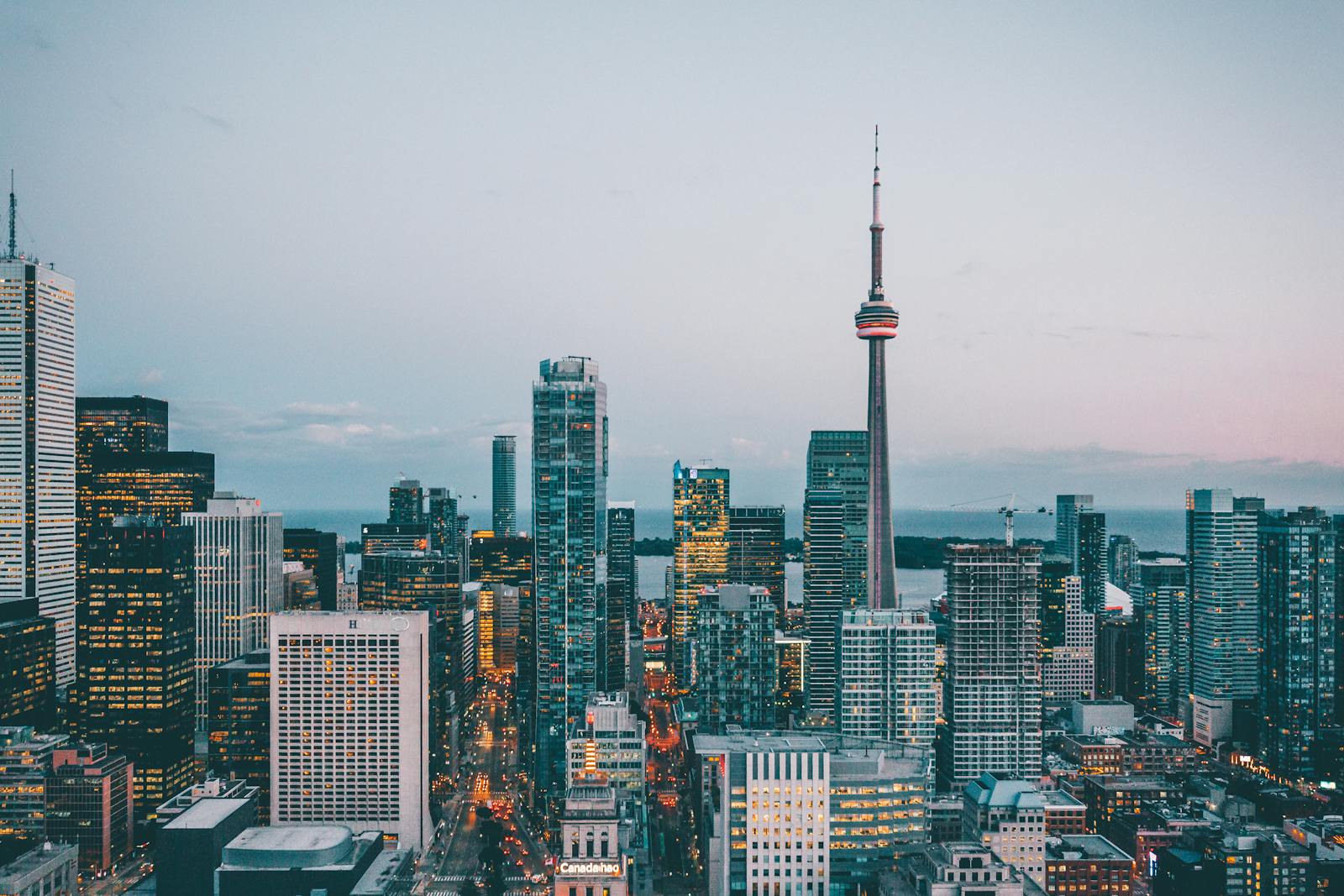
- Toronto: skyline viewpoints + waterfront + food
- Niagara: iconic day trip (best midweek)
- Montréal: old town + culture + food experiences
- Optional: Québec City for 2 nights (high visual appeal)
Route D: Rockies + Vancouver (12–14 Days)
- Combine mountains + coast for a “complete first Canada”
- Rockies: 7–9 nights (base stays)
- Vancouver: 3–5 nights + Whistler/Victoria add-on
- Use flight or scenic drive depending on preferences
5) Transport Basics (What Works Where)
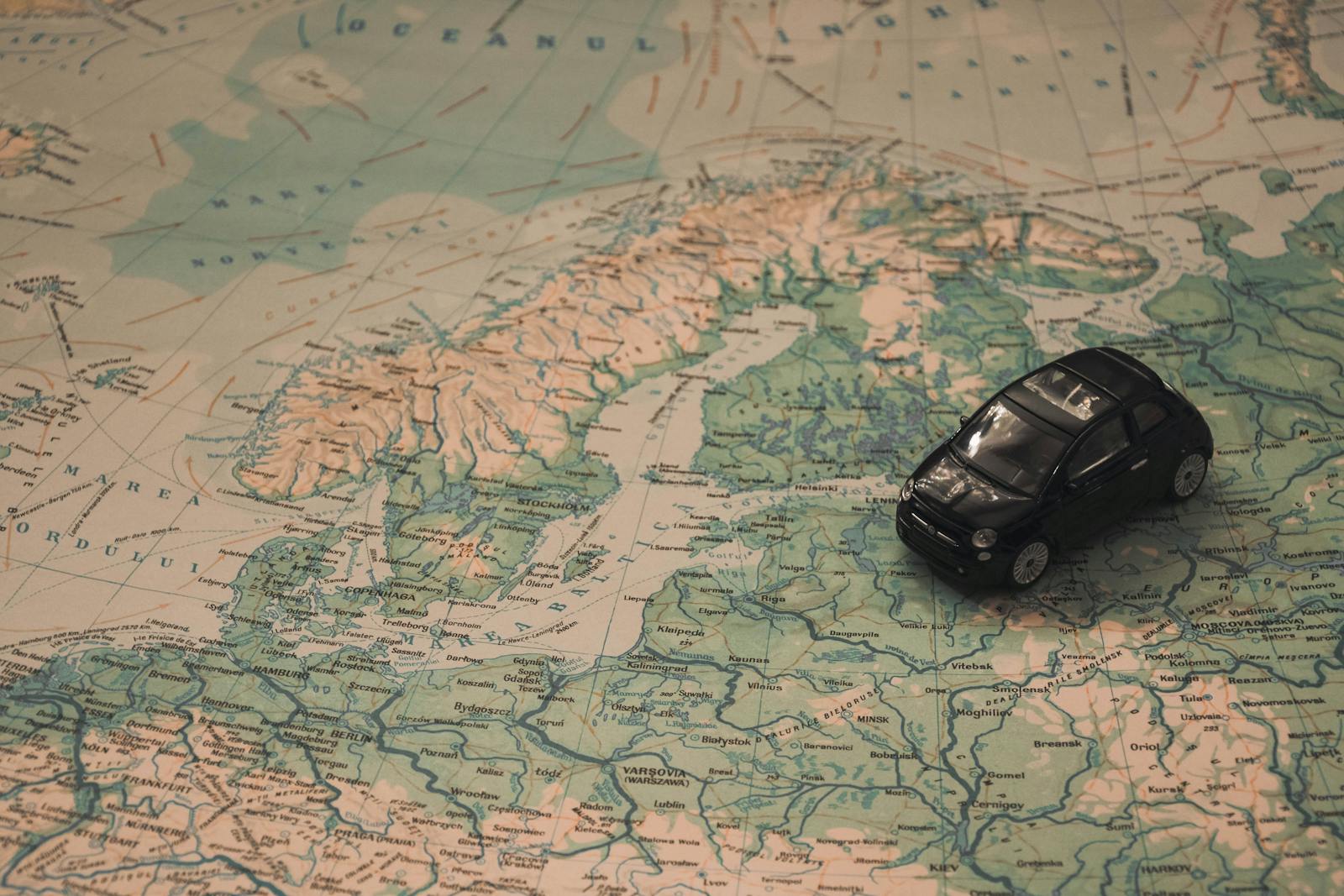
Canada’s transport strategy depends on where you are. Cities are transit-friendly; scenic regions work best by car.
Best Choices for First-Timers
- Rockies: car rental (base stays + scenic drives)
- Toronto/Montréal/Vancouver: transit + walking + occasional rideshare
- East + West combo: internal flights to avoid “wasted days”
Common Mistakes (avoid)
- Trying to drive cross-country inside a short trip
- Overplanning daily activities without rest blocks
- Ignoring early booking for summer peak (hotels + car supply)
- Assuming taxis are cheap everywhere (they’re not)
6) Budget & Booking Reality (Simple Signals)
Canada is a premium destination. Costs are driven by season, location, and comfort level. Use this section to set expectations early and reduce price objections.
What Typically Increases Spend
- Peak season (Jun–Sep) and holidays
- Staying inside prime park towns (vs nearby alternatives)
- One-way car rentals and last-minute bookings
- Premium experiences (glacier, gondola, wildlife cruises)
Easy Ways to Improve Value
- Base stays outside hotspots (e.g., Canmore for Banff area)
- Travel in May/Oct for better availability
- Use 2–3 “hero experience days” instead of daily paid tours
- Bundle private transfers only where they add comfort (airports)
7) Packing & Practical Checklist (First-Time Proof)
Packing correctly is one of the biggest satisfaction drivers—especially for travellers from warmer climates. Use this as a pre-departure checklist to reduce complaints.


Essentials
- Layering: base layer + mid layer + outer jacket
- Sunscreen and sunglasses (mountain sun is strong)
- Power adapter + portable charger
- Reusable water bottle
Winter Add-ons
- Insulated jacket, gloves, beanie
- Thermal base layers
- Warm socks + winter shoes (if heavy snow areas)
- Moisturiser / lip balm (dry cold)
8) Rookie Mistakes (and the Better Alternative)
This section prevents itinerary regret. Use it in sales calls, confirmations, and pre-travel emails.
Common Mistakes
- Trying to cover too many cities in a short trip
- Underestimating drive times and fatigue
- Booking peak season too late (limited choices)
- Planning every hour (no flexibility for weather)
Better Alternatives
- One region + one city (simple and satisfying)
- Base stays and day trips (less packing)
- Reserve the “hero” items first (hotels + key tours)
- One highlight + one flexible block per day

9) FAQs (First-Time Visitor)
Short answers you can reuse in WhatsApp, email, and proposal docs.
How many days do we need for a “first Canada” trip?
The sweet spot is 9–14 days. Under 9 days, focus on one region. For 12–14 days, add one supporting city. For East + West, use internal flights and keep base stays.
What’s the easiest first-time route with maximum scenery?
Canadian Rockies (Banff + Lake Louise + Icefields Parkway). Use Calgary as your gateway, stay 3–5 nights in one base, then optionally add Jasper or a second base.
Is Canada good for families with kids?
Yes — especially Vancouver and Toronto (walkable, day trips, family attractions), plus an easy nature block in the Rockies for older kids. Keep driving days short.
What should we book early?
In peak season: hotels in mountain towns, car rentals, and the most popular “hero experiences”. Booking early improves choice and pricing stability.
Do we need a car in cities?
Usually no. Toronto, Vancouver, and Montréal work well with transit + walking. Use cars mainly for scenic regions and national parks.
JainVoyagers Conclusion: If you want this guide turned into a ready-to-sell itinerary with hotels, transfers, and B2B net rates, share your dates and pax — our team will build it.